
Weighing the Pros and Cons of Relying on SwapGPT for Real-Time Market Analysis and Trade Execution
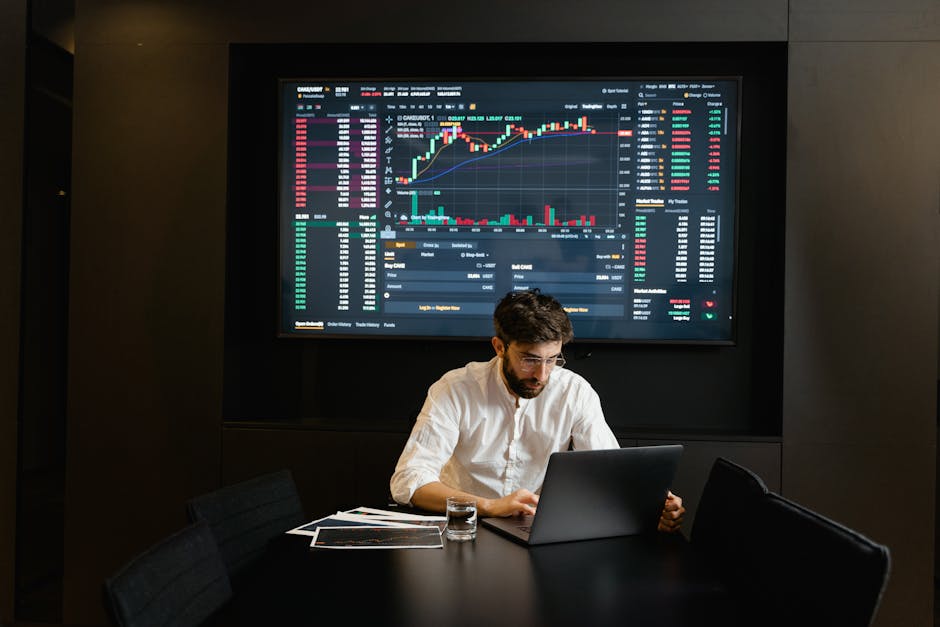
Speed vs. Reliability in Real-Time Data Processing
SwapGPT offers traders a unique edge by processing vast streams of market data in seconds. Its ability to scan multiple assets, detect patterns, and generate actionable signals is impressive. For instance, during high-volatility events, the tool can highlight price divergences or momentum shifts faster than manual observation. However, real-time analysis depends heavily on the quality of incoming data feeds. If the underlying API experiences latency or a glitch, the outputs can mislead. Users report that during major news releases, the system occasionally lags by 2-3 seconds, which in scalping strategies is a significant gap. The trade-off is clear: you gain speed but must accept occasional data inconsistencies.
Execution Precision and Slippage Risks
When it comes to trade execution, SwapGPT integrates with broker APIs to place orders automatically. This eliminates emotional decision-making and reduces reaction time. Yet, slippage remains a concern. In fast-moving markets, the executed price can differ from the signal price by several pips. One trader noted that a 10-pip profit target turned into a 2-pip loss due to slippage on a volatile crypto pair. The platform includes slippage controls, but they require manual configuration. Beginners often overlook this, leading to unexpected outcomes. For more details on how the system handles these mechanics, visit https://swapgpt.org.
Algorithmic Accuracy and Overfitting Concerns
SwapGPT uses machine learning models trained on historical data to predict price movements. In backtests, these models show high win rates, often exceeding 70%. However, past performance does not guarantee future results. The risk of overfitting is real: the algorithm may memorize noise from past charts rather than learn genuine market dynamics. Live trading results sometimes diverge sharply from backtested figures. A user testing a forex strategy found that the live accuracy dropped to 55% while the backtest showed 78%. This discrepancy suggests that the model struggles with regime changes, such as shifts from trending to ranging markets.
Another issue is the black-box nature of the decision-making. Traders cannot easily see why a specific trade was triggered. This lack of transparency makes it hard to debug strategies or adjust parameters intelligently. The platform offers some customization, like adjusting risk thresholds, but the core logic remains opaque. For those who prefer full control over their algorithms, this can be frustrating. On the positive side, SwapGPT continuously updates its models, which helps adapt to newer market conditions, though the frequency of updates is not publicly disclosed.
Cost, Accessibility, and User Experience
The pricing model of SwapGPT is subscription-based, with tiers ranging from $49 to $199 per month. The entry-level plan limits the number of simultaneous assets and excludes advanced execution features. Power users find the mid-tier necessary, which pushes the monthly cost to $99. Compared to building a custom bot, this is cheaper, but for retail traders with small accounts, the fee can eat into profits. Free trials exist but are limited to 7 days with delayed data, which does not fully represent live conditions.
User experience is mixed. The interface is clean and modern, but the learning curve is steep for newcomers. Setting up API connections to brokers requires technical steps like whitelisting IP addresses and generating secret keys. Documentation is thorough but assumes familiarity with trading platforms. Customer support responds within 24 hours, but urgent issues during market hours may not get immediate resolution. Overall, SwapGPT suits experienced traders who can troubleshoot and validate signals independently, rather than novices seeking a hands-off solution.
FAQ:
Is SwapGPT suitable for day trading?
Yes, but only if you configure slippage controls and use a broker with low latency. The tool’s speed helps, but execution gaps can occur during fast moves.
Can I use SwapGPT without programming skills?
Basic setup does not require coding, but advanced customization and debugging may need some technical knowledge. The interface is visual, not code-based.
How does SwapGPT handle market crashes?
During extreme volatility, the platform may pause trading or generate false signals. It is recommended to set maximum drawdown limits manually.
Does SwapGPT support cryptocurrency trading?
Yes, it supports major crypto pairs on exchanges like Binance and Coinbase, but altcoins with low liquidity are not recommended due to slippage risks.
Reviews
Marcus L.
I’ve been using SwapGPT for three months on forex. The signals are fast, but I lost 8% in one week due to slippage on a news event. Now I use limit orders more carefully.
Sarah W.
The backtests looked amazing, but live results were disappointing. The algorithm overfitted to 2022 data. I switched to manual analysis after two months.
Dmitri K.
For a crypto scalper, SwapGPT is decent. The execution speed is good, and the interface is intuitive. I combine it with my own filters to reduce false signals.
Deja tu comentario